
Why This Matters
Infrastructure — schools, clinics, housing forms the backbone of public service delivery. But if poorly planned or managed, these assets can fail the very communities they aim to serve. Creating truly impactful infrastructure means embedding it in systems of accountability and inclusion.
What We’re Seeing Today
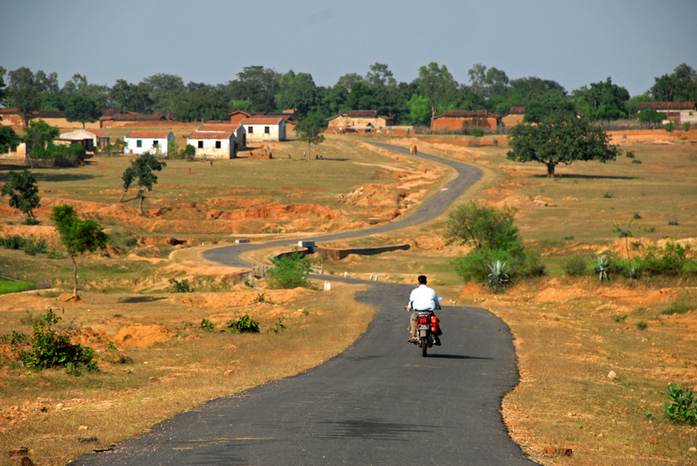
Government schemes like NHM and PMAY have expanded infrastructure. Yet, many facilities lack trained staff, functional equipment, or maintenance plans. In some rural areas, buildings exist but services remain absent.
Why It’s Strategically Important
Social infrastructure supports the achievement of multiple SDGs. Done right, it drives service delivery, builds trust, and attracts further investment. Integrated planning helps reduce duplication and improve resilience.
Barriers Holding Us Back
• Operational Gaps: Assets without services or staff.
• Siloed Planning: Infrastructure built without aligning with service providers.
• Low Community Involvement: Poor ownership leads to neglect.
• Lack of Lifecycle Management: No planning for repair, upgrade, or exit.
What Needs to Change
• Think operational sustainability upfront: Ensure funds and sustainability of quality operations right at the planning stage.
• Plan for the Long Term: Design infrastructure with O&M and future needs in mind.
• Integrate with Systems: Align with local service delivery structures.
• Involve Communities: Engage users in design and oversight.
• Blend Financing: Use CSR, philanthropy, and government funds jointly.
• Use Tech Tools: GIS, sensors, and mobile apps can track use and flag issues.
Looking Ahead
Social infrastructure isn’t just about construction, it’s about connection. When built with systems thinking and citizen focus, it becomes a platform for equity and resilience. Future efforts must prioritise lifecycle planning, integrate infrastructure within service ecosystems, and build resilient designs responsive to climate and demographic shifts. Stakeholders must collaborate to ensure infrastructure is not only built, but maintained, upgraded, and governed sustainably for generations to come.