
Why This Matters
India’s corporate social responsibility (CSR) landscape has evolved significantly since the 2013 Companies Act. Despite increasing investments, CSR’s long-term impact often remains fragmented or unsustainable. Rethinking CSR from compliance to co-creation can unlock deeper social value.
What We’re Seeing Today
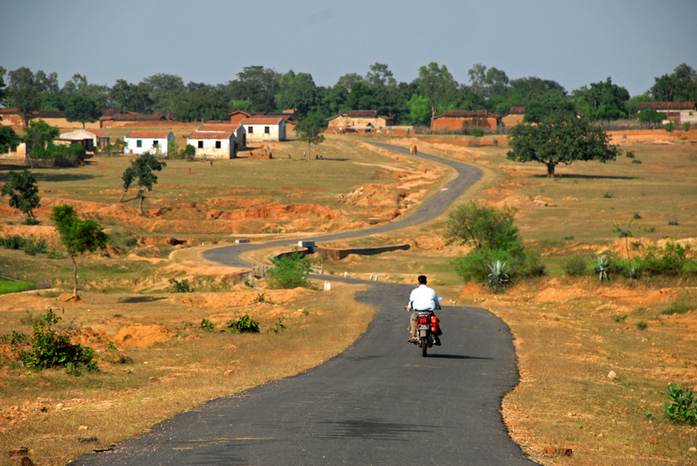
Most CSR funds go into education, healthcare, and rural development. However, many programs run for only one or two years, with limited scalability or continuity. Impact assessments are often underutilised. There's also limited synergy between business strengths and CSR themes.
Why It’s Strategically Important
CSR offers corporates an opportunity to align with national development goals while building stakeholder trust. When designed well, CSR initiatives can de-risk government innovation, scale proven models, and catalyse cross-sector collaboration. Strategic CSR can also build brand equity and employee engagement.
Barriers Holding Us Back
• Short-term Orientation: One-off projects with little room for learning or scale.
• Low Collaboration: Limited partnerships among companies, NGOs, and governments.
• Weak Measurement: Lack of robust frameworks to evaluate outcomes.
• Disconnect from Core Business: CSR often operates in isolation from the company’s expertise or ecosystem.
What Needs to Change
• Strategic Alignment: Focus CSR where business competencies can amplify social value.
• Build for Scale: Partner with ecosystem players to pool resources and knowledge.
• Think long term: Projects should be long term and focus on creating impactful assets or solutions.
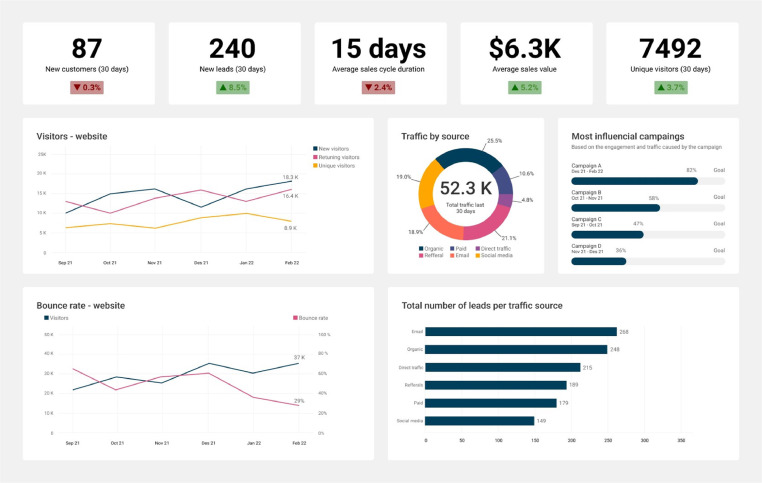
• Strengthen M&E: Embed learning systems with data dashboards and impact reports.
• Capacity Support: Invest in grassroots NGOs to build implementation capacity and fund programs for longer durations.
• Foster Collective Action: Create CSR platforms around shared issues like health, malnutrition or clean energy.
Looking Ahead
CSR in India is maturing. Companies that move from transaction to transformation through sustained, scalable, and strategic programs will not only serve communities better but also create more resilient brands and loyal stakeholders. The next phase of CSR should focus on fostering systemic solutions, nurturing social innovation, and building long-term community partnerships. Companies should look beyond cheque-writing to champion ecosystem building, thought leadership, and social entrepreneurship that delivers measurable and enduring impact.